 Reviews



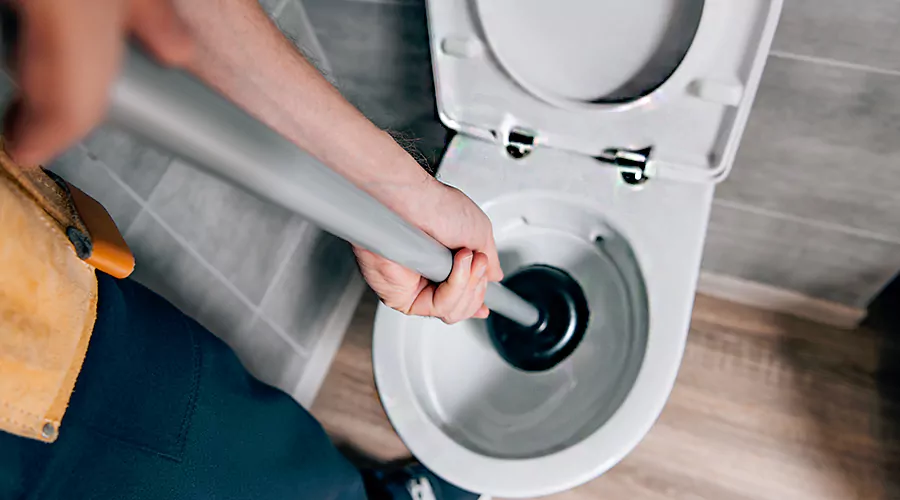
If your toilet keeps clogging, the repeated problem usually points to a partial obstruction or weak flushing rather than five separate random clogs. A basic toilet repair averages about $271 in 2026, while a clogged toilet can cost roughly $85 to $600 to repair. Professional clogged drain repair may be needed when the blockage extends beyond the toilet.
Recurring clogs deserve a different approach from a single blocked bowl. Clearing the toilet again may restore drainage for a day without addressing the reason material keeps getting trapped.
The pattern matters. Notice what is flushed and how the bowl behaves afterward.
Why Does the Same Toilet Keep Clogging?
A toilet that blocks repeatedly usually has less usable flow than it should. The restriction can be inside the trapway or farther into the drain. Weak tank performance can create a similar pattern because waste never receives enough water velocity to pass cleanly.
- Too much toilet paper is one possible cause.
- A foreign object can create a narrow catch point inside the trap.
- Mineral buildup can reduce water entering through the rim openings.
- Low tank water can weaken siphon formation.
- A developing branch-drain restriction can allow the toilet to work between clog events.
Current 2026 repair guidance also identifies excess paper and partial blockages as common reasons for recurring toilet clogs. The repeated pattern is more useful than the individual clog.
How Does a Recurring Toilet Clog Progress?
Recurring clogs often begin with subtle changes in flush behavior. The toilet still works but needs more time or a second flush. As the usable passage becomes smaller, ordinary waste begins triggering backups that did not happen before.
| Stage | What Changes | Likely Meaning | Possible 2026 Cost |
|---|---|---|---|
| Early | Flush becomes weaker | Water delivery or early restriction | Often low DIY cost |
| Recurring | Clogs return every few days | Partial obstruction remains | $85 to $600 |
| Multi-fixture | Nearby drains react | Drain system involvement | Higher diagnostic cost |
| Main-line | Wastewater backs up elsewhere | Deeper sewer restriction | $99 to $1,600 depending on work |
Angi reports an average of about $380 for main sewer clog repair in 2026. The wider range can reach $1,600 when video inspection and more intensive clearing are involved.
The earlier stages are easier to isolate because fewer parts of the plumbing system are involved.
What Warning Signs Point to a Recurring Clog?
The most useful warning signs appear between full blockages. A toilet should return to predictable drainage after every flush. Changes in speed or bowl level can reveal a remaining restriction long before another complete backup occurs.
- The same toilet clogs every week. The original obstruction may never have left completely.
- Water rises before every successful flush. The trap may already be partly restricted.
- The toilet needs repeated flushing. Flush power may be too weak.
- There is low water in toilet bowl after a flush. The fixture may not be restoring its normal bowl level.
- Paper frequently remains behind. Waste is not receiving a complete flush cycle.
- The bowl swirls without emptying strongly. Water delivery may be restricted.
- Another fixture gurgles during flushing. The issue can extend beyond the toilet.
- A plunger fixes the toilet for only a short period. The deeper cause remains.
- The problem began after an object was flushed. The object may be catching new material.
- Several toilets gradually become slower. A shared downstream restriction becomes more likely.
These clues help separate recurring fixture problems from normal occasional clogs.
Can Weak Flushing Cause Repeat Clogs?
Yes. A toilet can have a clear drain yet still move waste poorly if the tank does not deliver enough water fast enough. Low water level or mineral-restricted rim jets can weaken siphon action and leave material inside the trapway.
- Remove the lid and inspect the inside of toilet tank during a normal flush.
- Check the manufacturer's water level mark.
- Watch whether the flapper opens fully.
- Look for uneven water entering under the bowl rim.
Mineral deposits inside small rim openings can gradually cut the flow rate. This is particularly noticeable when water enters strongly on one side but weakly on another. A toilet mechanism problem should be corrected before repeatedly treating the drain as blocked. Water sense toilets use 1.28 gallons per flush or less while meeting efficiency and flush-performance criteria. A modern lower-volume toilet should still flush correctly when it is operating as designed.
How Can You Tell a Weak Flush From a Drain Clog?
A controlled bucket test can separate water-delivery problems from drainage problems. Only perform it when the bowl sits at a normal level. The test bypasses the tank and sends water directly into the bowl so you can watch the drain response.
- Pour roughly one to two gallons into the bowl in a firm motion.
- Do not do this when the bowl is already high.
- If the bowl empties strongly, the drain can move water. The problem is more likely inside the tank or flush passages.
- If water rises and drains slowly, a restriction remains in the waste path.
This simple test can narrow the problem in seconds. A toilet with no water in toilet tank does not have the stored volume needed for a normal gravity flush. That is a fill problem rather than evidence of a blocked drain.
Can Rim Jets Make a Toilet Clog Repeatedly?
Restricted rim or siphon openings can weaken the flush enough to leave paper inside the toilet's trap. Mineral scale forms gradually, so the change may be easy to miss until clogs begin happening more often.
- Look under the rim with a small mirror.
- Check whether water enters evenly during flushing.
- Visible white or chalky deposits suggest mineral scale.
White vinegar can help soften some deposits. HomeTips recommends cleaning restricted rim jets when a toilet develops a weak or uneven flush. Avoid scratching glazed surfaces with aggressive tools. The goal is to restore the intended water path rather than enlarge openings.
When Should You Call a Professional?
A recurring clog deserves professional investigation when it returns after the fixture has been mechanically cleared. Professional attention also makes sense when other drains respond to the toilet because the restriction may sit beyond the reach of a household toilet auger.
Current 2026 cost data places ordinary clogged toilet repair around $85 to $600. Main sewer clog repair averages about $380. Severe drain work can cost considerably more when inspection or high-pressure cleaning is required.
Seek deeper diagnosis when:
- The same clog returns within days.
- Two toilets begin backing up together.
- Water appears in a bathtub after flushing.
- A toilet auger does not change the problem.
- Sewage odor accompanies gurgling drains.
- Wastewater enters the lowest fixture in the home.
A camera inspection can reveal conditions that a plunger cannot identify. It can also help locate an object or deeper pipe restriction.
How Do You Stop a Toilet From Clogging Again?
Prevention starts with keeping strong paper products and wipes out of the toilet. Wastewater agencies advise flushing human waste and toilet paper only. Wipes remain a common source of household and municipal sewer blockages even when manufacturers call them flushable.
- Keep a small covered bin near the toilet.
- Reduce oversized wads of toilet paper.
- Address weak flushing when it first appears.
- Inspect rim openings when mineral deposits become visible.
- Pay attention to changes in multiple fixtures. A second slow drain provides information that the toilet alone cannot.
Do not rely on repeated plunging as routine maintenance. A properly working toilet should not need mechanical clearing every few days.
Conclusion
When a toilet keeps clogging, focus on what makes the problem return instead of treating each blockage as a new event. Check flush strength and watch the bowl's drainage pattern. A partial obstruction can remain after the toilet appears usable again. If several fixtures begin reacting together, deeper inspection becomes reasonable. This week, observe one complete flush and note whether the bowl clears quickly on the first attempt.
Frequently Asked Questions
These questions cover patterns that help distinguish normal toilet behavior from an underlying recurring problem. They are especially useful when the toilet works between clog events.
Is one toilet clog every few months normal?
An isolated clog can happen after an unusually heavy waste load. A predictable repeating pattern points to a condition worth diagnosing.
Can toilet paper brands affect clogging?
Thicker paper can take longer to break apart. The amount used in one flush usually matters more than the brand name.
Can hard water contribute to toilet clogs?
Hard water can leave mineral deposits in flush passages. Restricted water flow can then weaken the toilet's clearing action.
Can a broken toilet chain cause clogging?
A toilet chain broke condition can prevent the flapper from opening correctly. The result is little or no flushing water rather than a new drain blockage.
Does replacing an old toilet always solve repeat clogs?
No. Replacement can help when poor fixture performance is the cause. It will not remove an obstruction in the home's drain line.